

un-divide with perspective
Bridging the distance between people, cultural spaces and the stories they carry.
Heritage is never short of stories. It sometimes lacks pathways to enter them.
We create these pathways by giving knowledge and narratives a sensory form, rooted in place, capable of sparking curiosity, emotion and, above all, a new way of seeing.

Un-divide is not a word.
It is an intention.
Creating connection cannot be decreed.
Un-divide is, first and foremost, about undoing what creates distance: between a place and those who move through it, between scientific knowledge and those who discover it, between an ancient history and our contemporary gaze.
We design experiences that create bridges — without simplifying what is complex or erasing differences, but by finding the right perspective to step inside them.
We bring
the necessary perspective.
Because shifting the gaze can change everything.
Our work often begins right there: finding the perspective that creates the encounter.
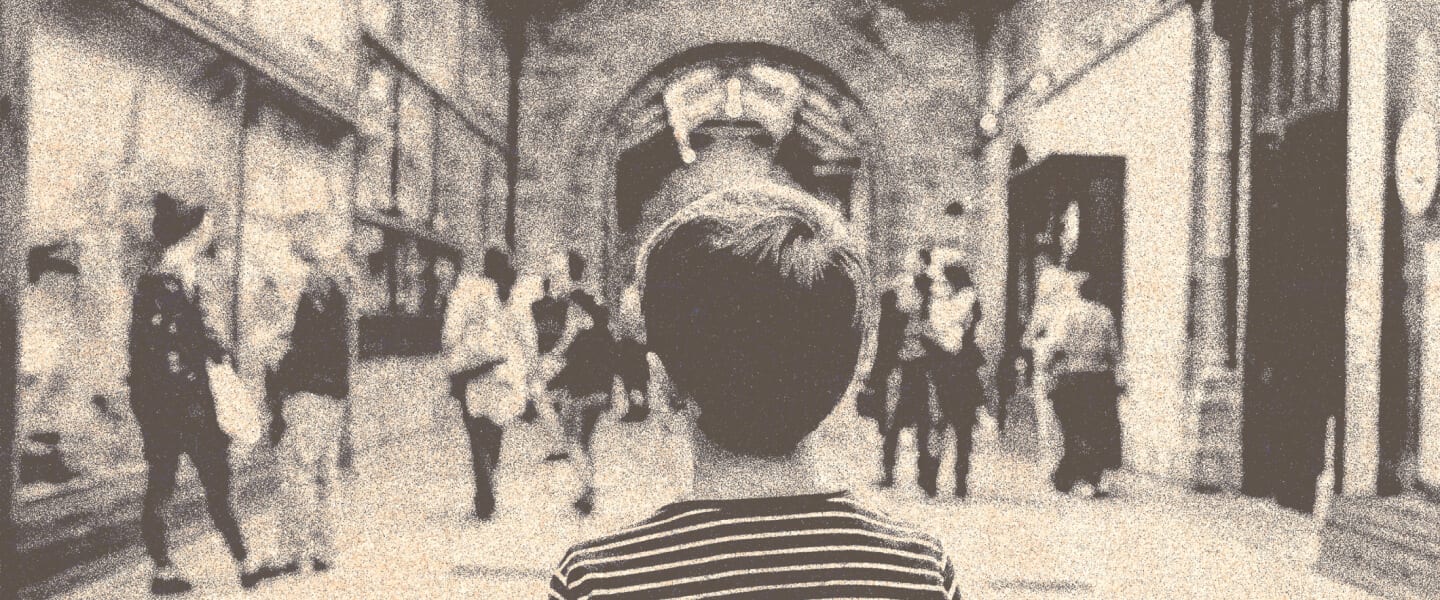
Mediation creates a shared space between those who produce knowledge and those who come to discover it. We seek to make this encounter more direct, more intuitive and more human.
Immersion is not
a spectacle.
A technology, a voice or a soundscape only have value if they allow the visitor to look more attentively at what surrounds them. The experience must reveal the heritage, never overshadow it.
The best device is sometimes the one you eventually forget is there.
 Rigour without coldness
But sharing knowledge is not simply about conveying information: it must be given a form that can be understood, felt, and remembered.
Accessibility without oversimplificationMaking content accessible does not mean making it less demanding.
We seek the words, formats, and interactions that allow everyone to engage with a story without reducing its richness.
Immersion without artificeWe prefer to suggest rather than overdramatise.
To create a presence rather than a demonstration. Every intervention must remain true to the place and to what we actually know of its history.
Technology without the technologyWe love technology when it disappears.
Geolocation, sound spatialisation, applications, and interactive systems are means, never the subject of the experience.
Designing to lastA cultural experience must be able to evolve with its venues, research, and audiences.
From the very beginning, we therefore consider its maintenance, its adaptation, and the ways in which teams will be able to make it their own.
Making mediation a space for encounter.
We want to contribute to a culture that doesn't simply aim to be accessible, but that makes people want to step into it, question it, and see it differently.
A successful visit sparks curiosity, stirs an emotion, opens up a conversation, or leaves visitors wanting to know more. It leaves a lasting impression.
We want to create experiences that continue to exist long after the visit is over.
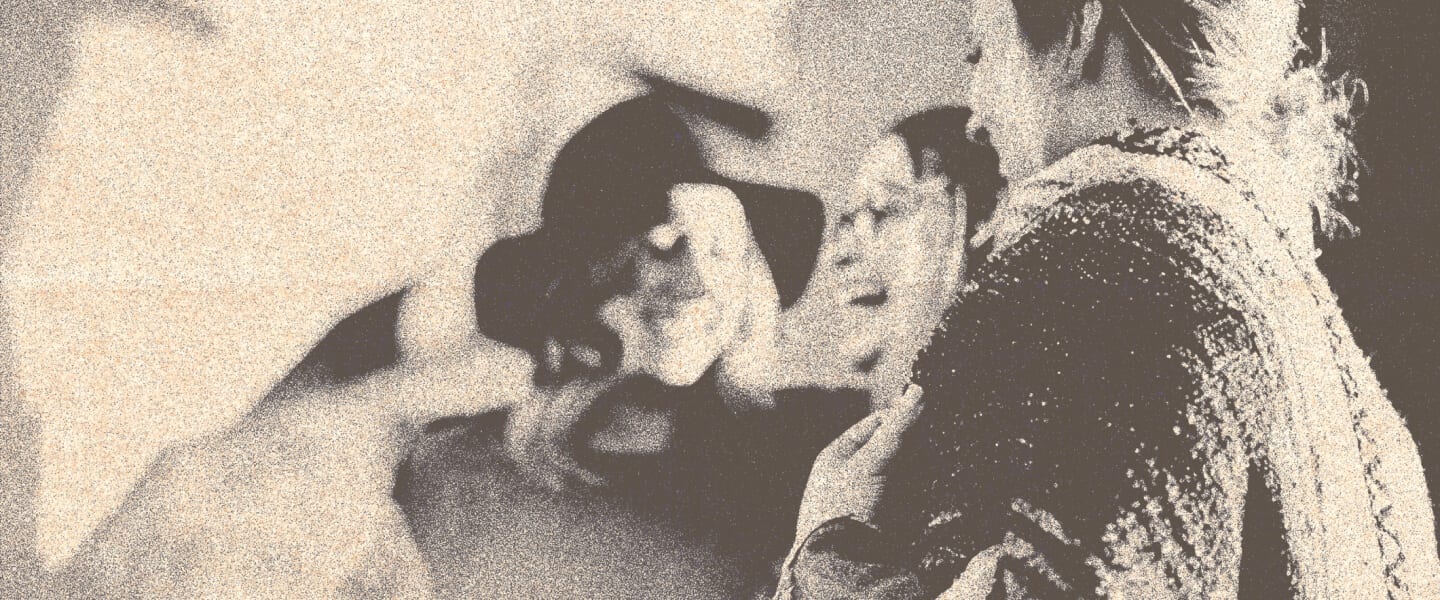
Because listening changes
the way we see.
Sound has a particular quality: it accompanies without obstructing the gaze.
It allows you to wander, observe and listen simultaneously. It also sparks reverie and emotion, nourishes the imagination and gives shape to what is no longer visible.
That is why it holds a central place in our work: it enriches the experience without drawing attention away from reality.
What we want to leave behind us.